

Art is not decoration. It is Infrastructure.
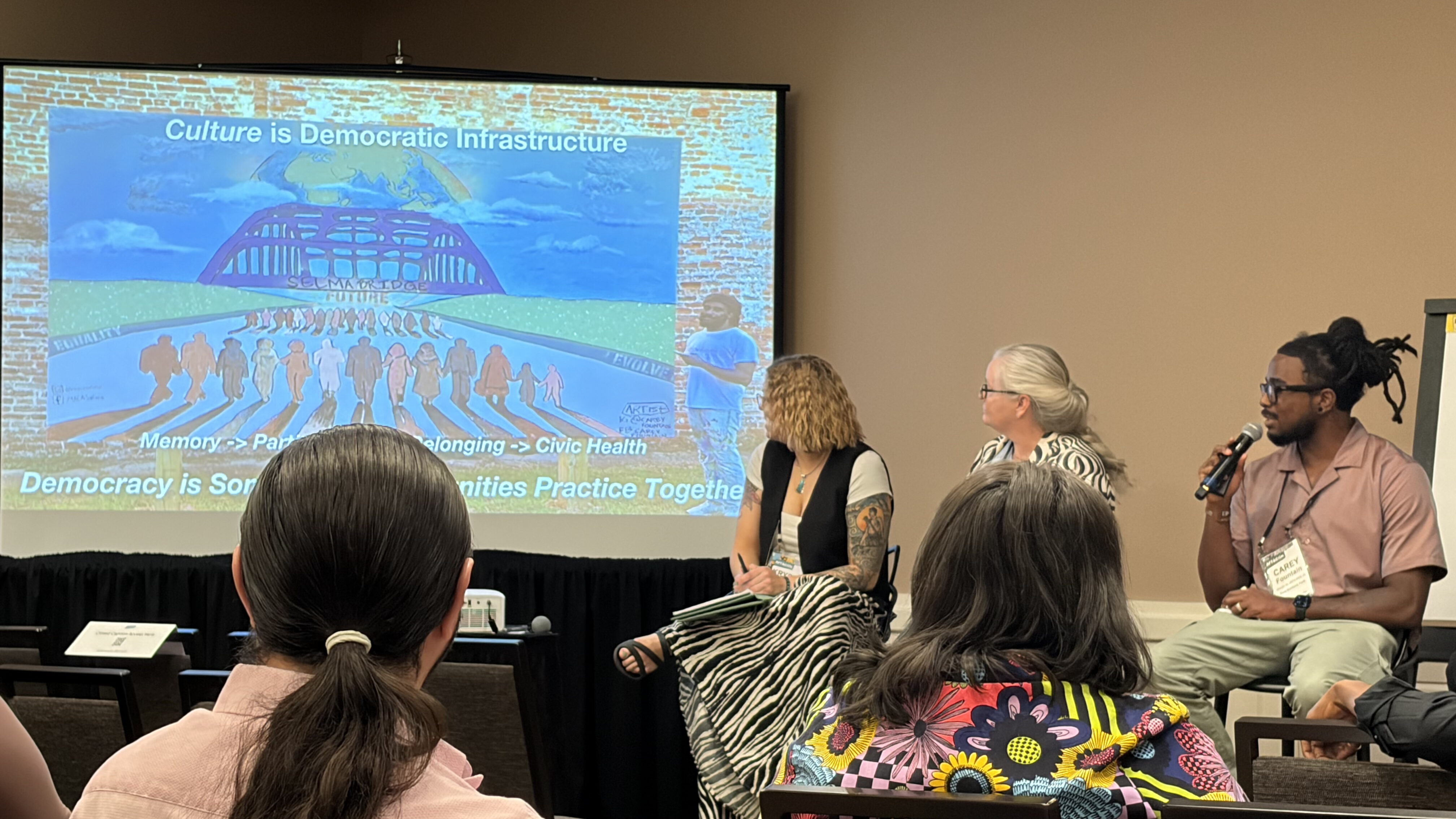
By Carey Fountain, Director of Programs and Partnerships
Over the past month, I had the opportunity to represent Foot Soldiers Park in two national panel discussions about the role of arts, culture, history, and community-rooted work in strengthening the civic health of a community.
One panel was part of Forecast Public Art’s Creative Power, Civic Purpose series where I joined SoulCenter founder Erin Michelle Washington and the Director of Creative Placemaking at ReCreate Appalachia, Sassa Wilkes,—organizational leaders working at the intersection of arts and community building—to talk about bridging divides, cultivating belonging and strengthening democratic participation in rural and southern communities. The other panel was part of AFTACON, the Americans for the Arts annual conference, focused on art-based strategies in rural areas and how they can strengthen local infrastructure or shape economies over time. That panel included artist Chris Gchachu, artist and rural activator Erika Nelson, and Executive Director of Arts Council for Wyoming Krysta Aina.
Both conversations centered on a question that is deeply connected to our work in Selma: How can art, culture, creativity, and community leadership help build stronger, healthier, and more democratic communities?
At Foot Soldiers Park, we don’t think of art and creativity as separate from civic life and community building. It is one of the primary ways we process Selma’s history, cultivate community, and pass democratic culture from one generation to the next.
In both panels, I shared how Foot Soldiers Park uses art as a vehicle for transmitting democratic memory, building belonging across generations, and giving Selma residents a living stake in the story of their own community.
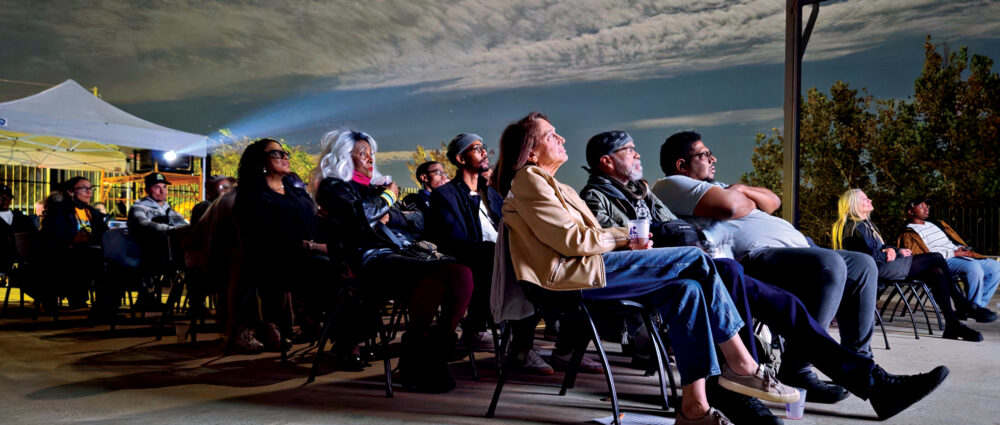
The best examples of that are our Selma Cinema Festival and Photographic Nights of Selma, events which showcase the work of artists from around the world. Both events do more than bring people together for cultural experiences. They create opportunities for dialogue, storytelling, reflection, and connection across generations. When a young person interviews an elder about voting rights, or when a photograph helps people see Selma through a new lens, art becomes a tool for memory, healing, and democratic participation.
Many of the questions that emerged during both discussions centered around how meaningful change actually happens in communities—particularly rural communities. We talked about the importance of relationship-building, trust, and creating opportunities for people to participate rather than simply consume.
One idea I kept returning to was that art is not decoration; it is infrastructure. Whether through a film festival, a photography event, a youth leadership initiative, or a community gathering, the goal is not simply to host events. The goal is to build pathways for connection, participation, and long-term engagement. In Selma, we have learned that gathering people is civic work. When residents, young people, elders, artists, and visitors come together to share stories, learn from one another, and imagine a future together, they are strengthening the social fabric that makes community life possible.
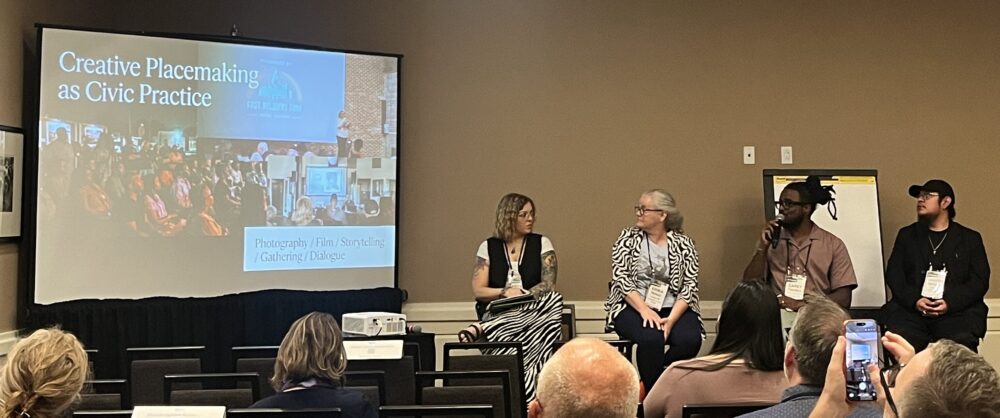
Culture creates civic health, and participation creates ownership. Those ideas resonated deeply with audiences because they reflect challenges and opportunities that communities across the country are navigating today.
I am grateful to Forecast Public Art, the Educational Foundation of America, Americans for the Arts, and all of the organizers, panelists, and attendees who made these conversations possible.
Most importantly, I am grateful to represent Selma and Foot Soldiers Park in spaces where people are searching for models of resilience, participation, and hope. Selma’s story is still speaking, and Foot Soldiers Park is committed to making sure it continues to teach, organize, and inspire.
Sign up and stay connected!
Sign up today and stay up to date on the latest news from our team and how you can get involved.