

Lights, Camera, Selma – Year Two Delivers
“The Selma Cinema Festival transforms our city into a global crossroads of storytelling, bringing filmmakers from around the world to a place that has shaped history. This festival is more than a celebration of film, it is a catalyst for economic growth, a bridge between cultures, and a powerful platform that ensures Selma’s story continues to inspire and influence generations to come.”
— Selma Mayor Johnny Moss, III
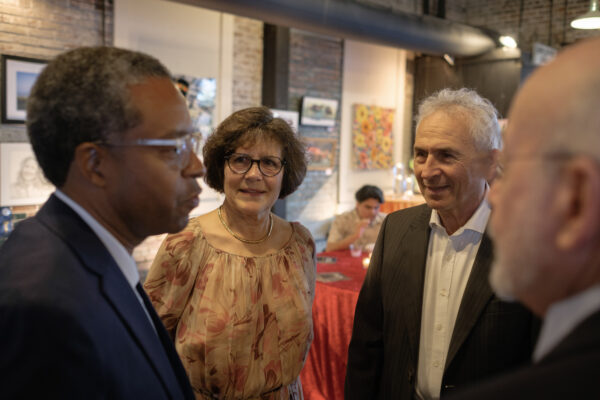
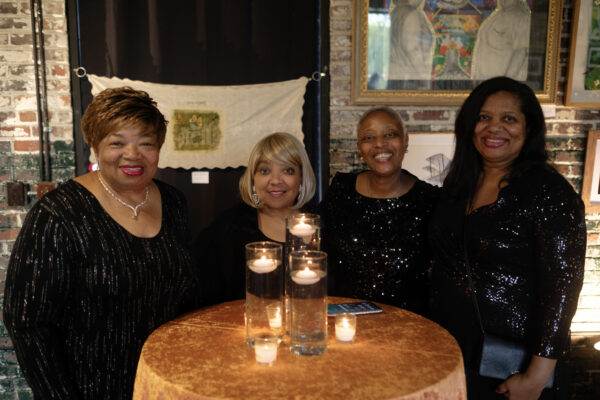
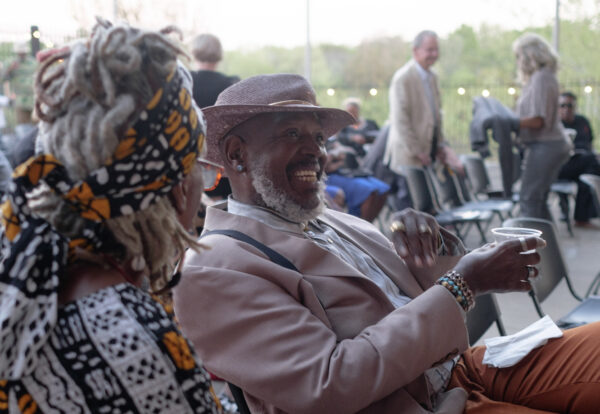
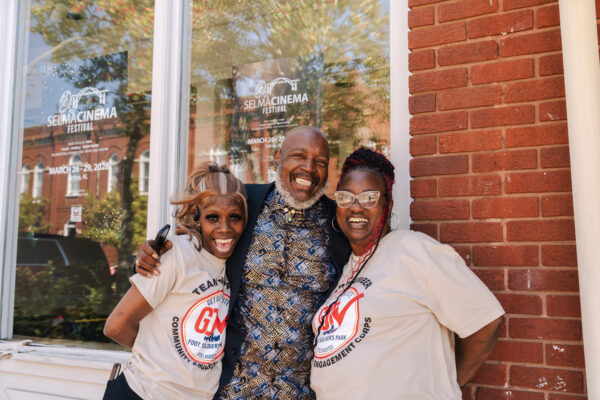
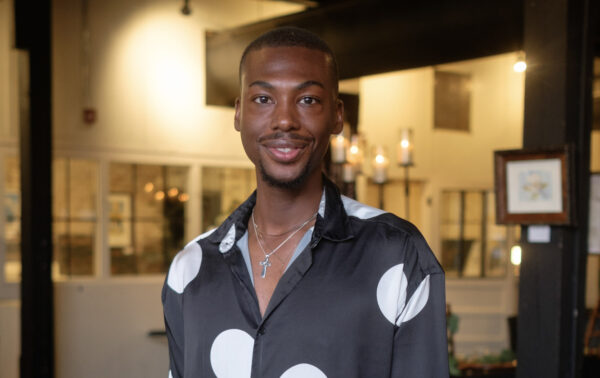
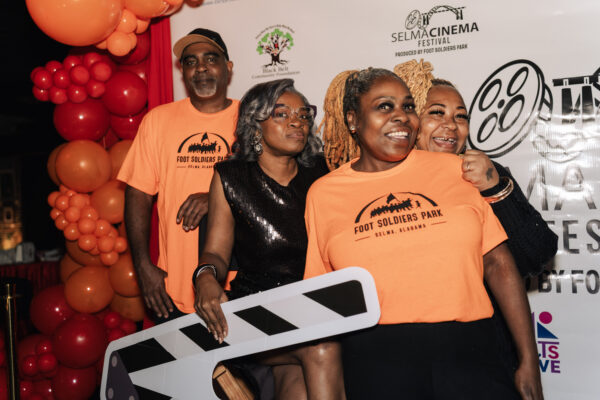
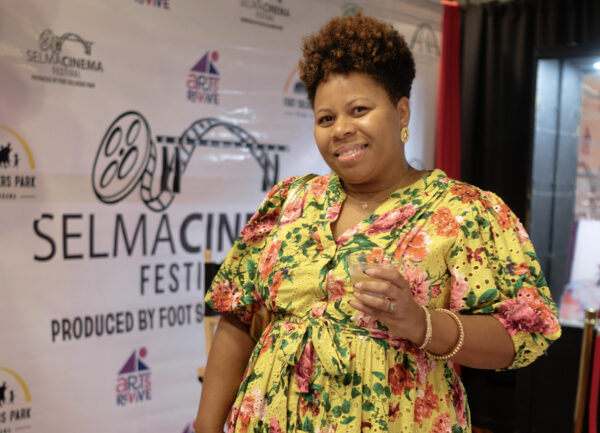
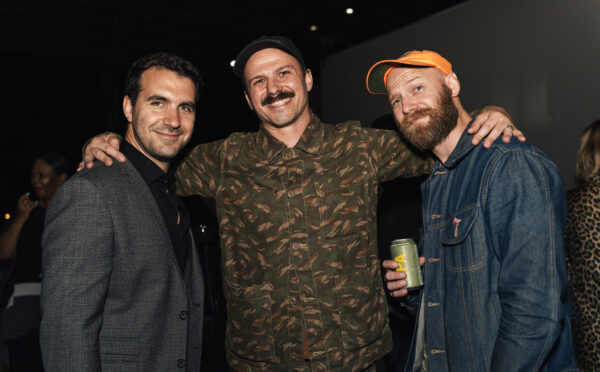
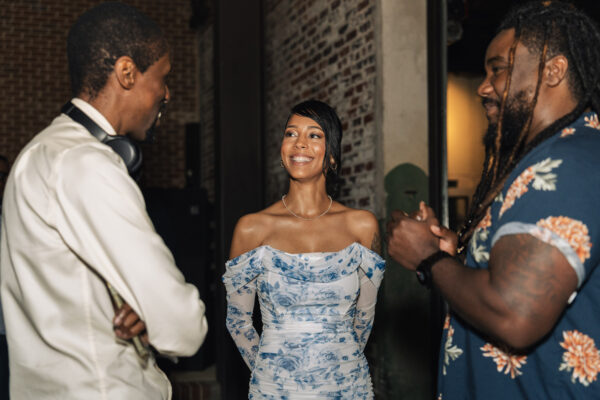
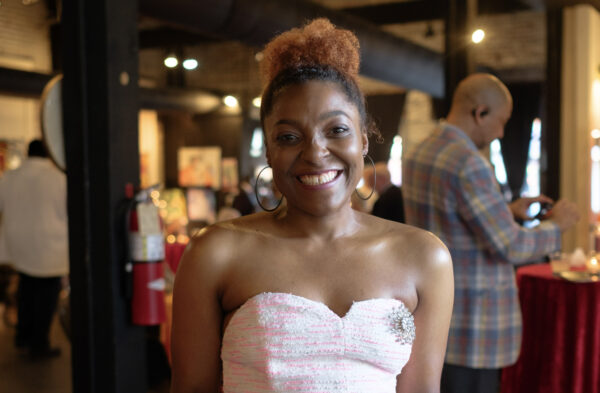
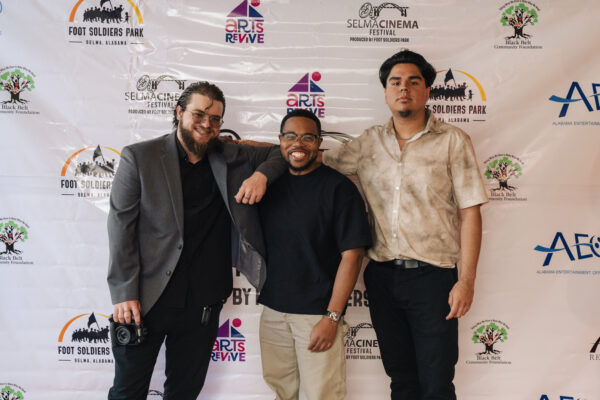
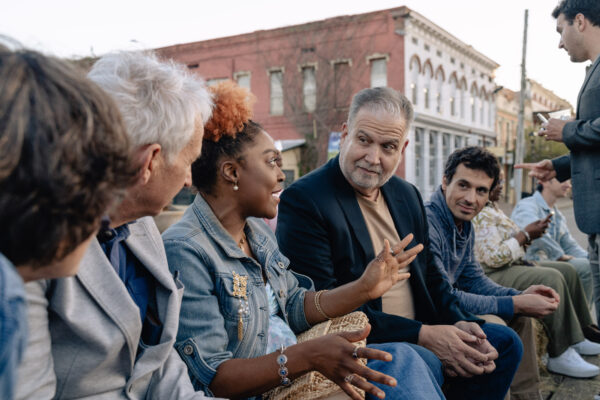
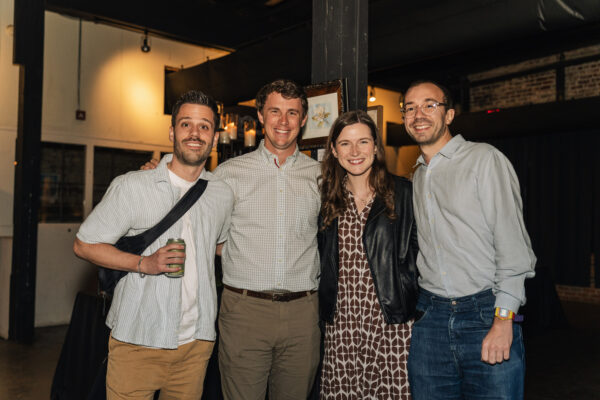
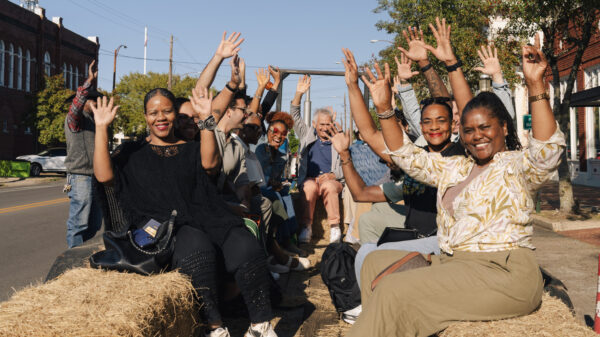
The 2026 Selma Cinema Festival had a remarkable second year – drawing filmmakers, artists, students, and community members for four electric days of storytelling rooted in history, social justice, and shared humanity. Held March 26–29, this year’s festival featured 23 films from 7 countries, highlighting voices from Alabama, across the United States, and around the world. In 2025, 500 people in total attended the festival across four days. This year, approximately 250 attendees joined us per day. The festival continues to grow as both a cultural gathering and a platform for meaningful dialogue in Selma.
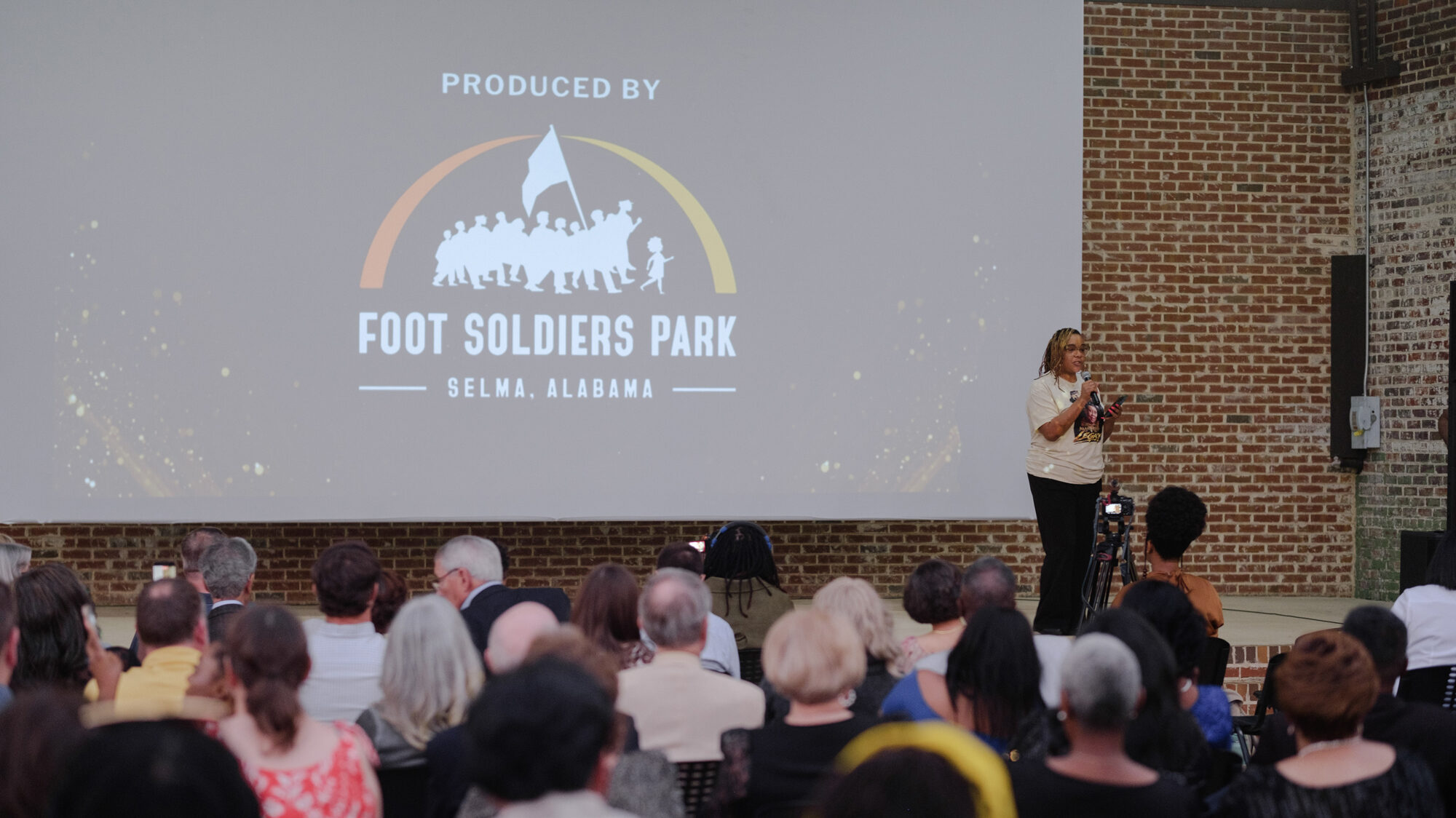
This year’s festival carried deep significance as it honored the life and legacy of our co-founder Jo Ann Bland, and the visionary behind the Selma Cinema Festival itself. During the opening night at ArtsRevive, CEO Kimberly Smitherman paused the celebration to honor Ms. Bland’s passing in February and grounded the entire weekend in purpose.
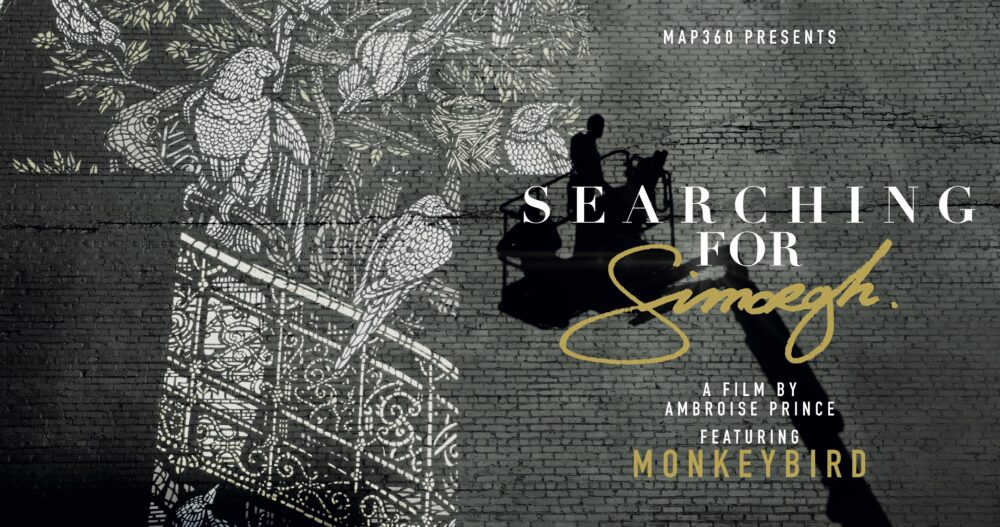
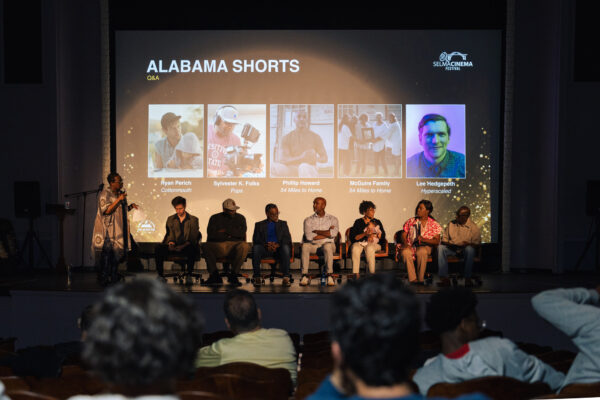
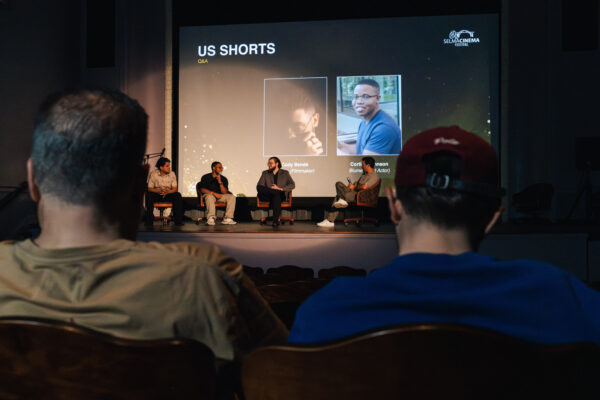
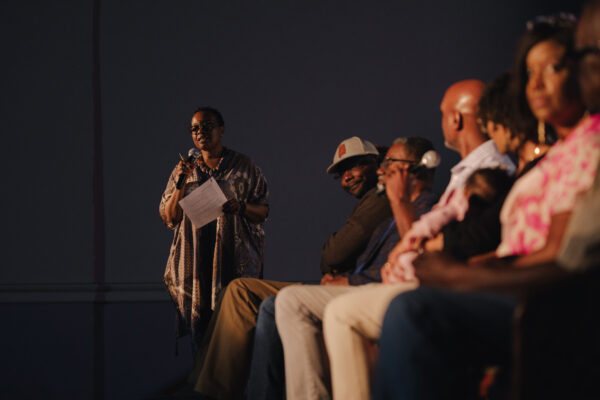
The festival opened with a screening of Searching for Simorgh — a film following French street art duo MonkeyBird as they collaborated with Alabama artists to create public art inspired by a 12th-century Persian poem. The film explores questions of identity, belonging, and the meaning of home, ultimately reminding audiences of the shared human journey that connects us all. A lively panel with the filmmaker and artists followed, offering insight into the creative process and the role of art in shaping communities. Audiences then experienced Alabama Shorts, International Shorts, U.S. Shorts and Social Justice Shorts alongside panel discussions that sparked real conversation.
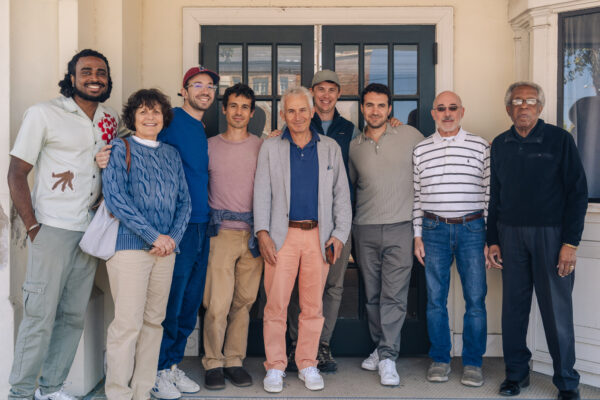
This year’s festival was guided by an accomplished and diverse jury whose expertise spans film, education, and storytelling across national and international stages. The 2026 jury included Emmy- and NAACP Image Award-nominated filmmaker and educator T. Marie King, French-American producer Arthur Cohen, Emmy Award-winning writer, director, and actor Erika E. Wade, and award-winning film and television producer/director Stanley Brooks. Together, they brought decades of experience across independent film, television, global co-productions, and arts education, carefully reviewing submissions and selecting this year’s award-winning films. Their perspectives helped ensure that the festival recognized work that is not only artistically strong, but also deeply aligned with the festival’s mission of storytelling, social impact, and cultural connection.
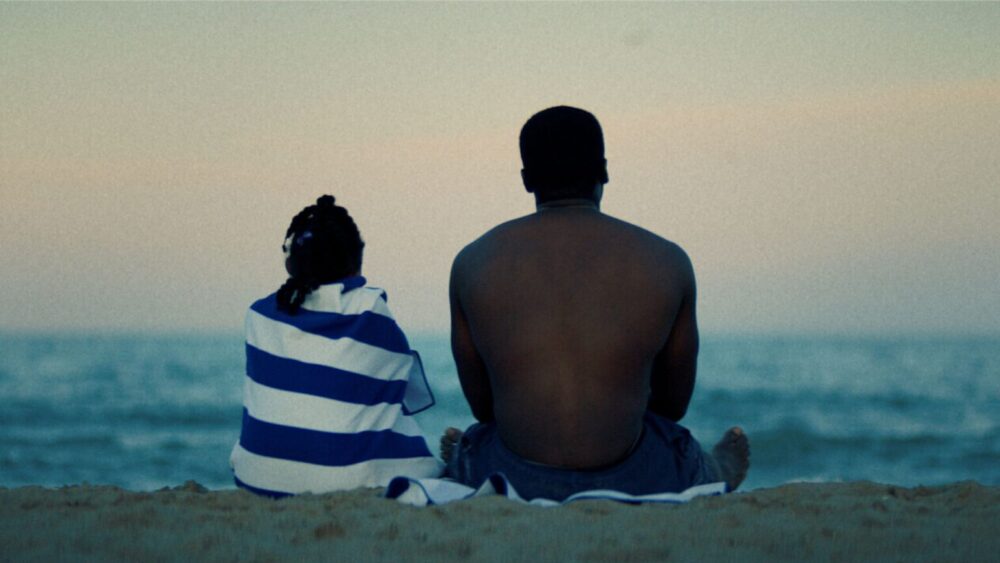
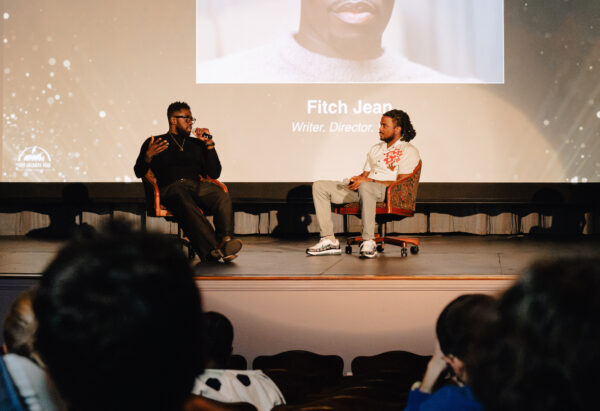
The festival closed with feature film screenings, with It Comes in Waves from Director Fitch Jean—a stunning exploration of intergenerational trauma—taking home Best Feature Film.
Additional award winners:
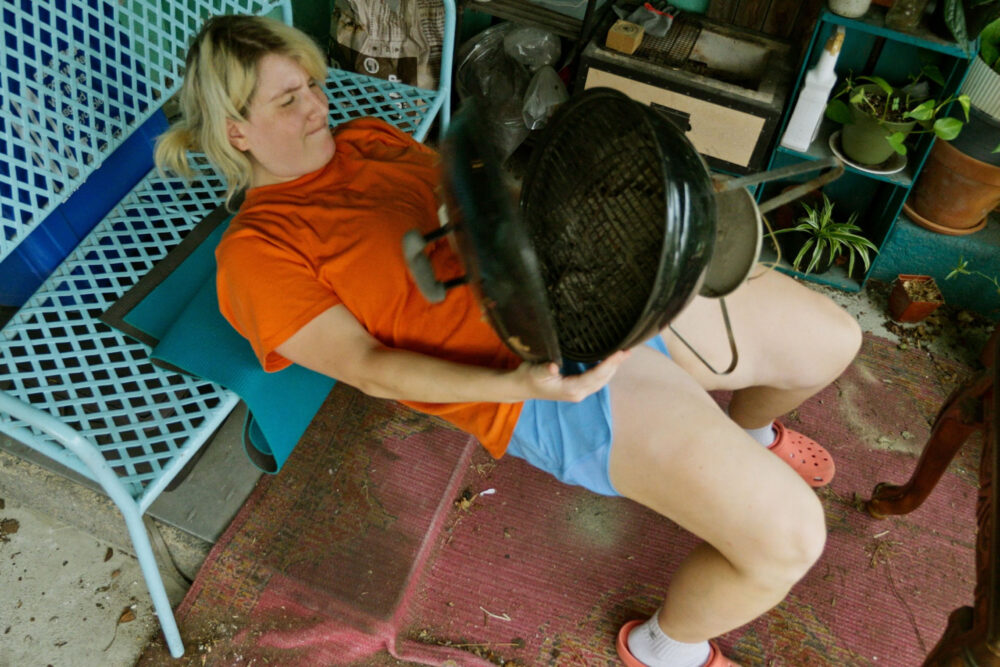
The Alabama Shorts program highlighted stories rooted in the region, including 54 Miles to Home (Dir. Claire Haughey), which revisits the legacy of families who supported the Selma-to-Montgomery marches; Hyperscaled (Dir. Maya Estrera), examining the environmental impact of data center expansion; Pops (Dir. Sylvester K. Folks); and Cottonmouth (Dir. Cole Johnson). These films grounded the festival in local voices and reinforced Selma’s continued relevance in conversations around justice, environment, and identity.
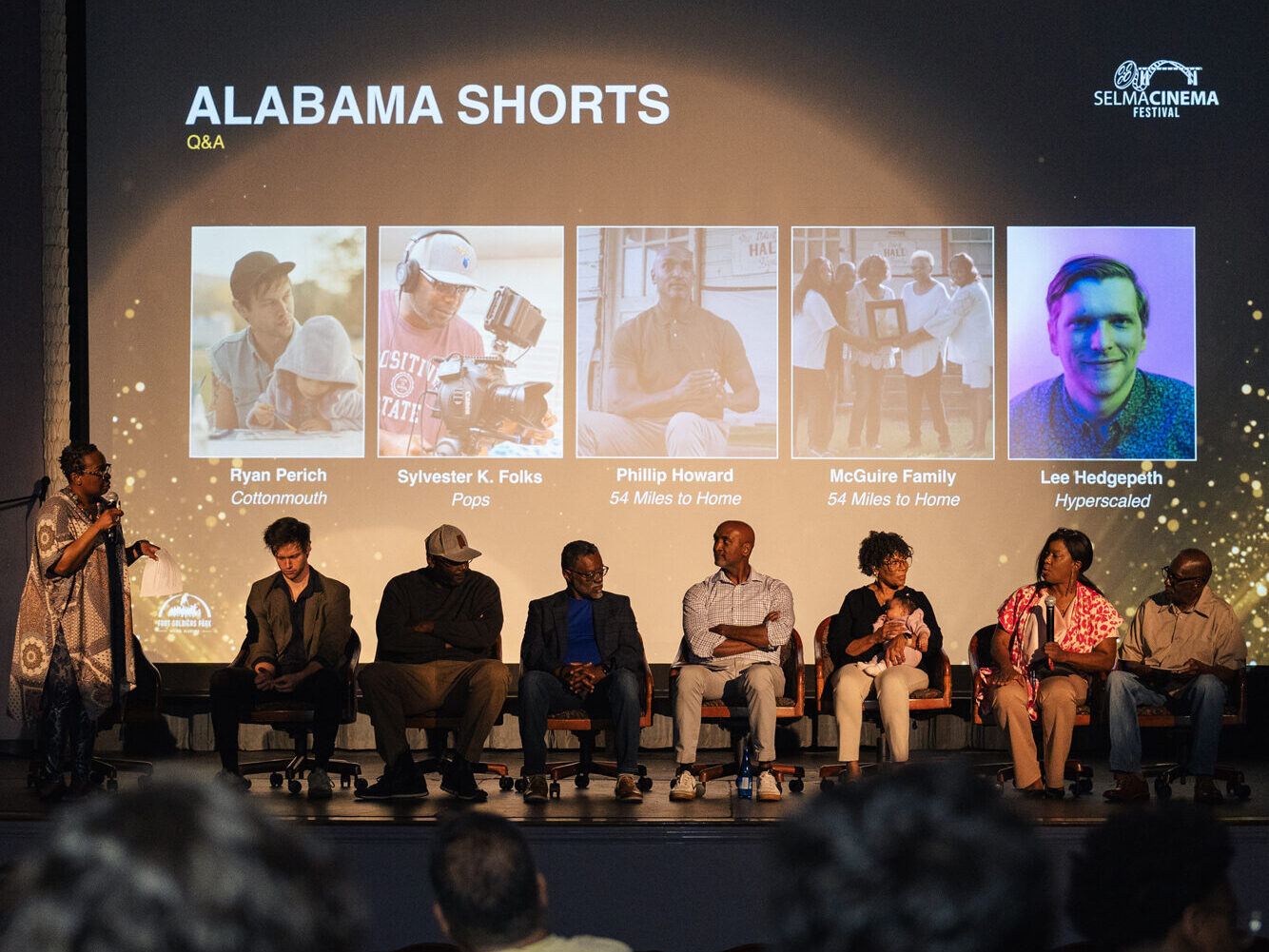
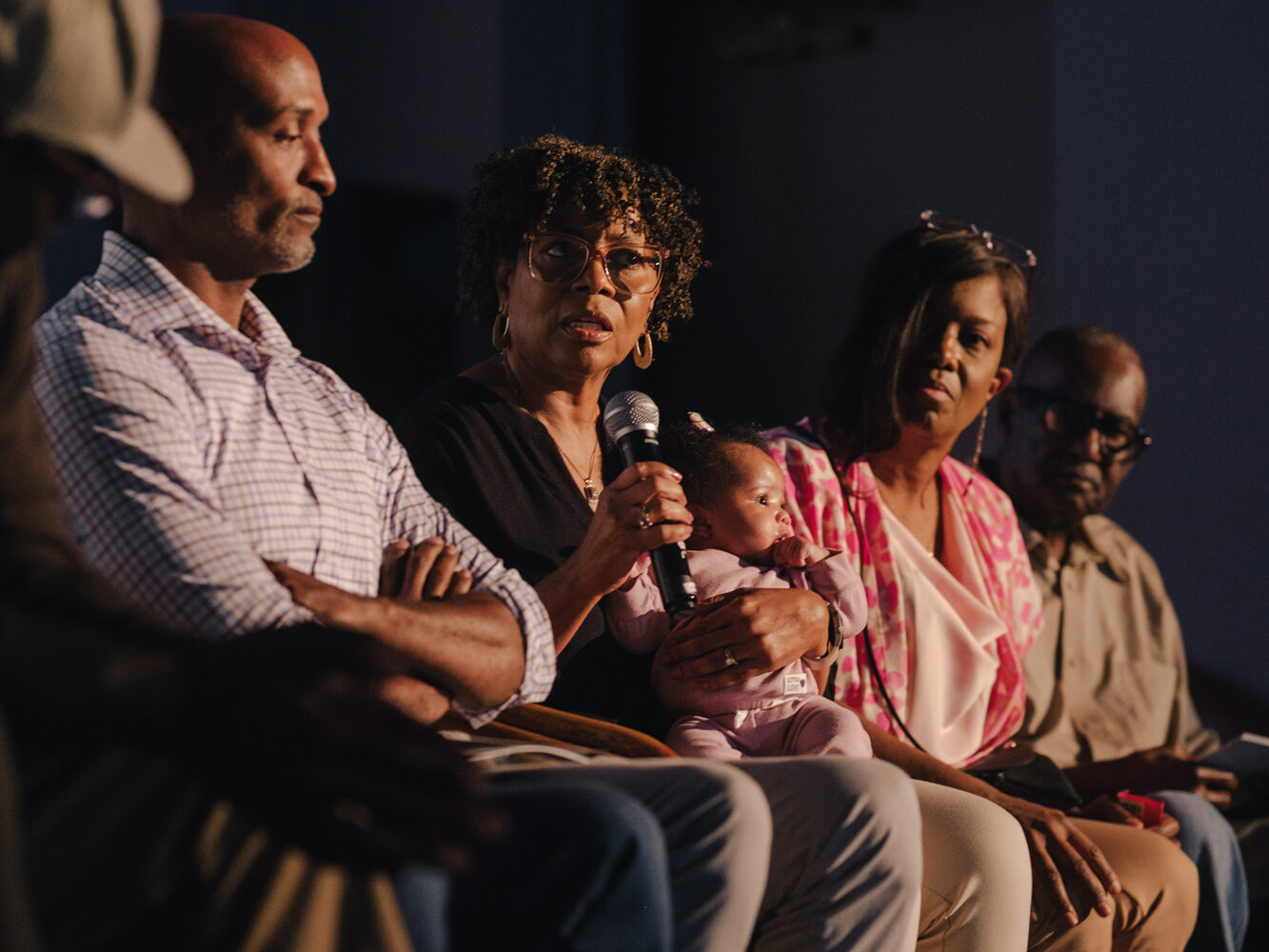
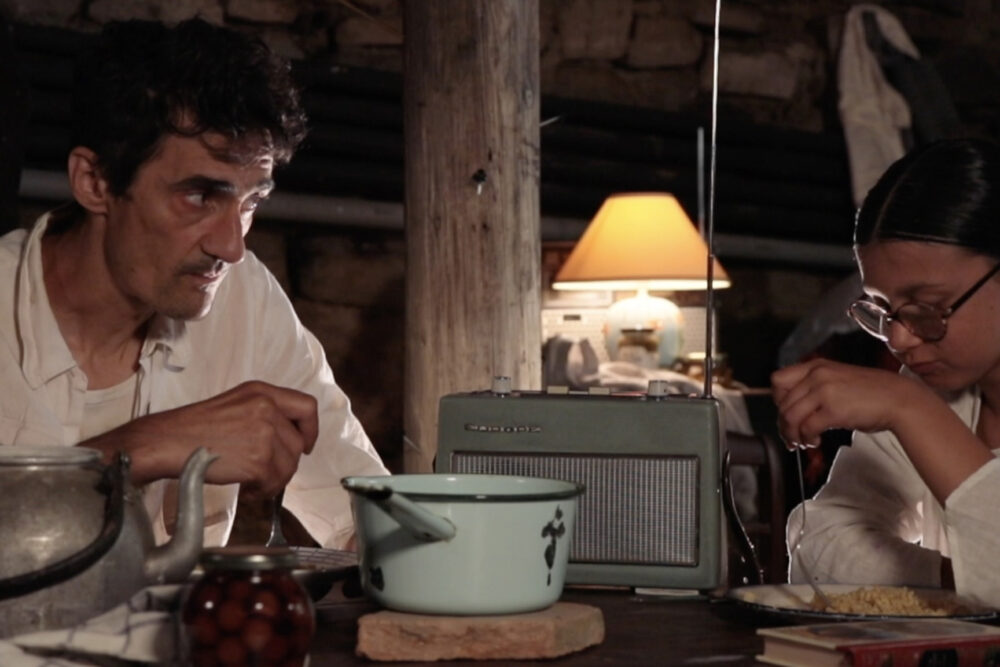
The International Shorts program expanded that perspective, bringing global stories to Selma audiences. Films like Frequency 95.6 (Dir. Baptiste Pigache), Marigold: The Tale of a God’s Flower (Dir. Vivek G.), The Last Supper (Dir. Sogol Gholami), and Where’s Wally? (Dir. Jean-Marie Villeneuve) offered diverse narratives while highlighting universal themes of loss, resilience, and human connection. Similarly, the U.S. Shorts program showcased a wide range of contemporary storytelling, including Beyond Failure (Dir. Marissa Losoya), Blume (Dir. Cody Bendé), BOTS (Dir. Rich Williamson), Humanity (Dir. Will Sidaros), and Pics (Dir. Hannah Browning).
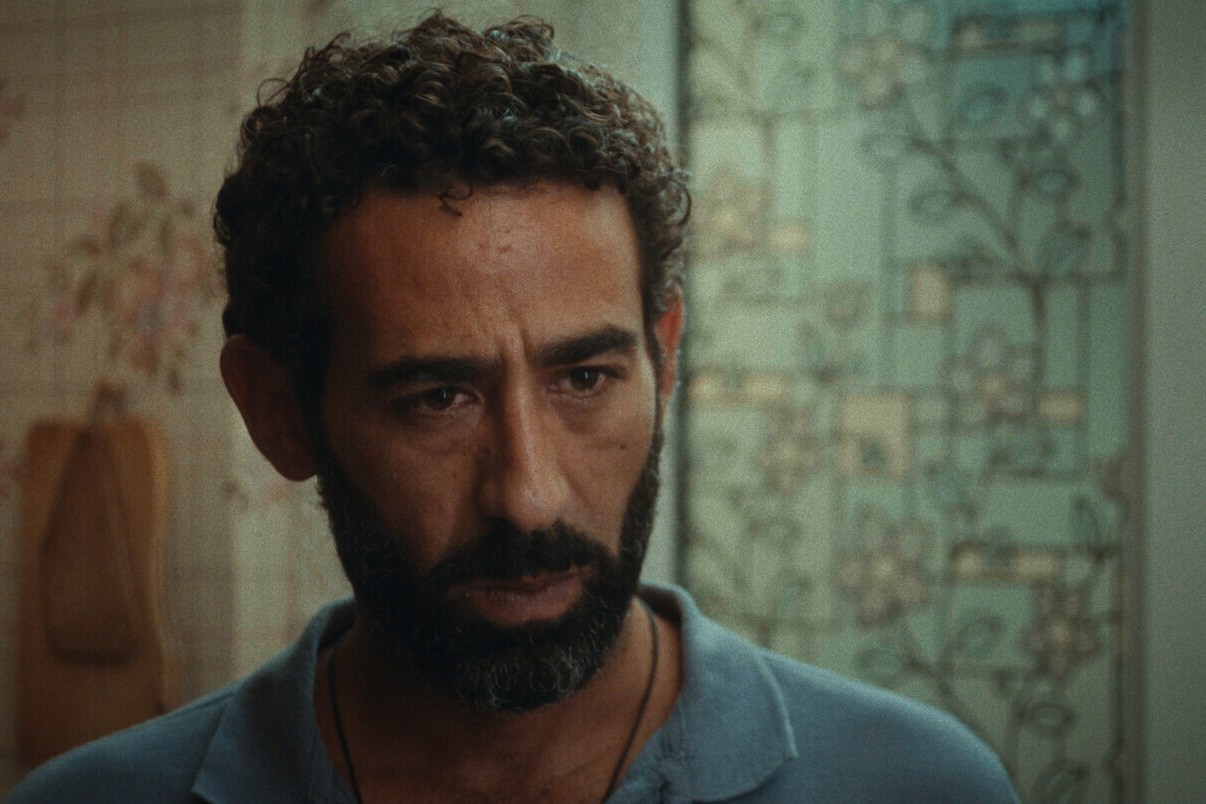
Feature films brought audiences deeper into complex narratives, with screenings including Sans Pitié (Dir. Julien Hosmalin), Earth’s Greatest Enemy (Dirs. Abby Martin and Mike Prysner), and It Comes in Waves (Dir. Fitch Jean). It Comes in Waves, which had already received significant recognition at national festivals, including the Audience Award for Best Narrative Feature at the Sidewalk Film Festival 2025, stood out as a moving exploration of intergenerational trauma, resilience, and the silent bonds of family. The film’s emotional depth and storytelling ultimately earned it the festival’s Best Feature Film award.
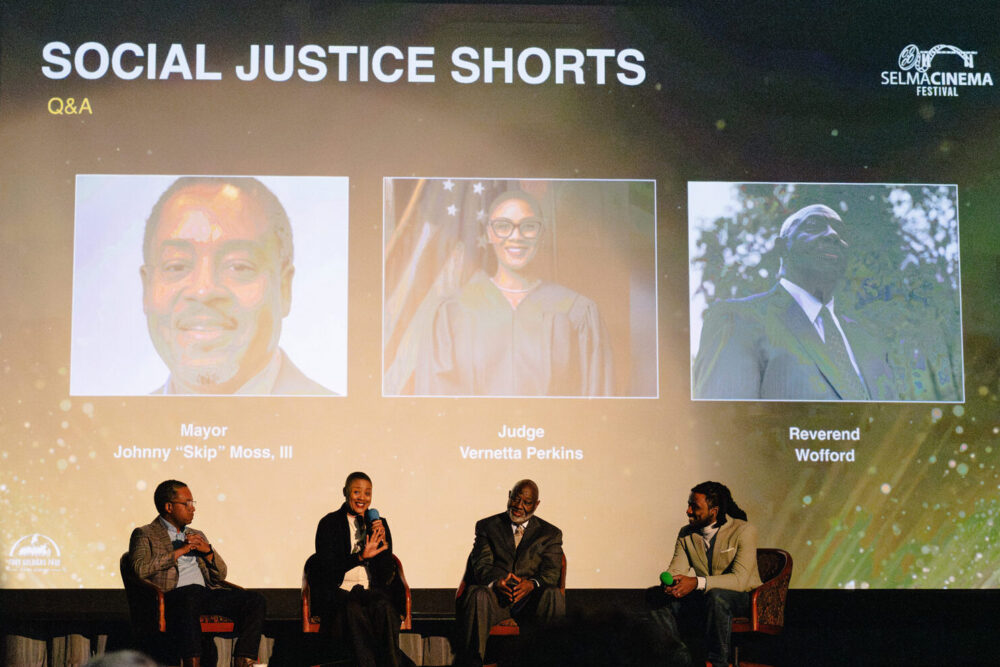
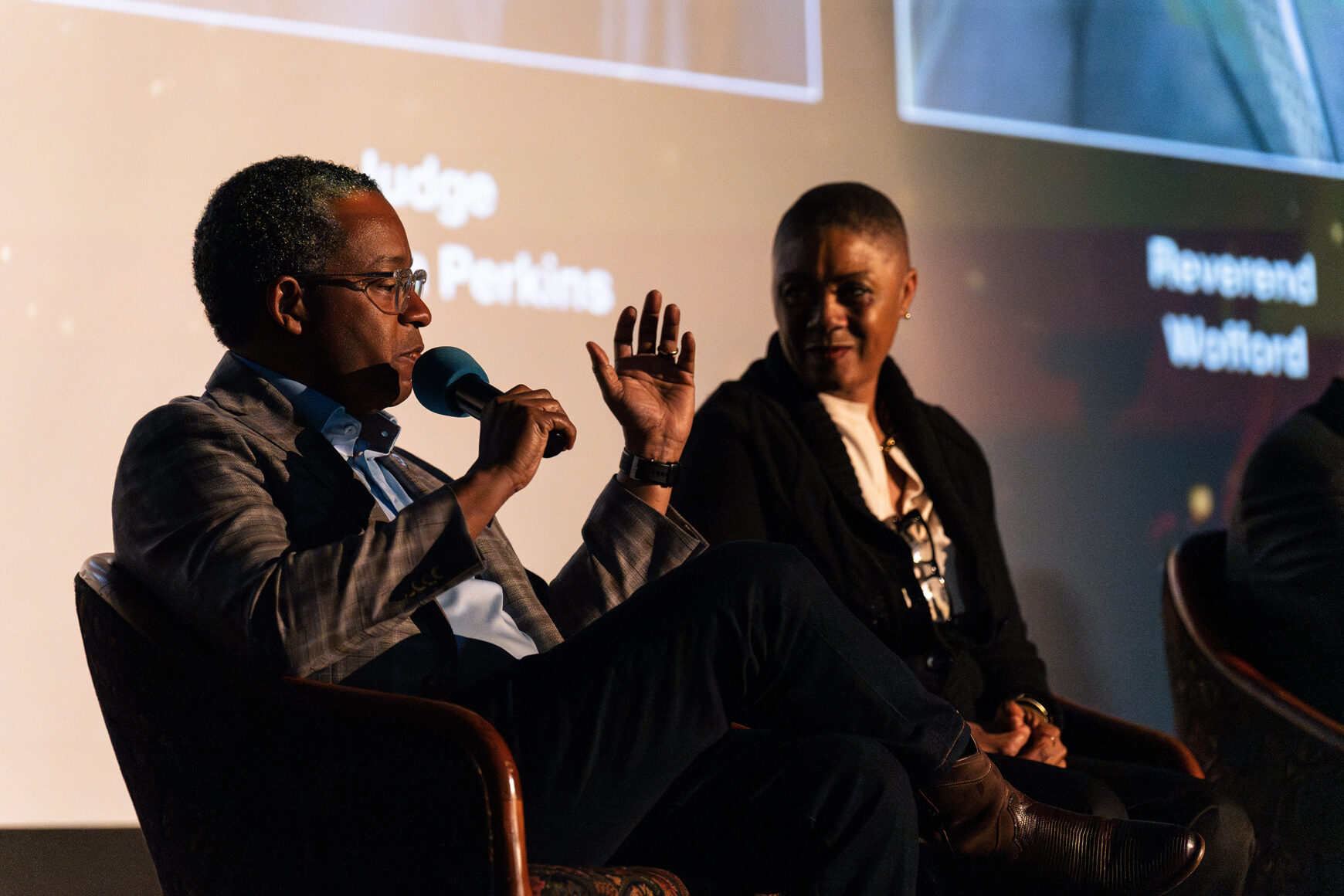
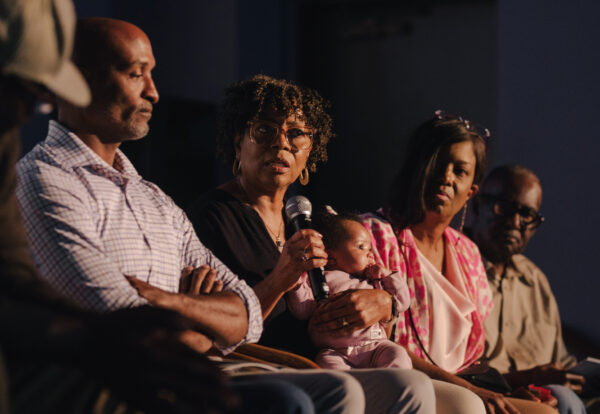
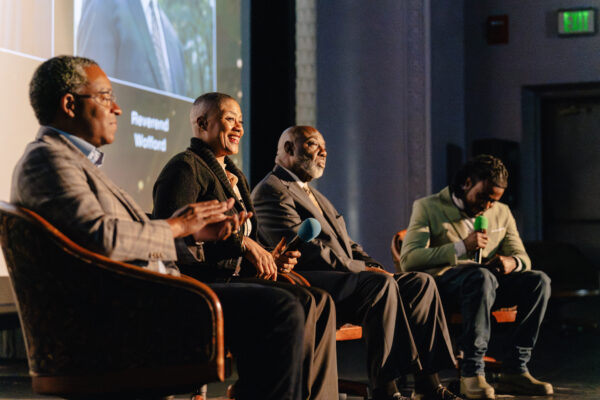
The Social Justice Shorts program brought the weekend full circle by centering films that directly addressed issues of equity, identity, and systemic change. Films included A Young Sofiane (Dir. Fabien Ara), A City That Cares (Dir. Aaron Hosé), Place Under the Sun (Dir. Vlad Bolgarin), and Selma, Beacon of Hope (Dir. Jonathan Harwood). Following the screenings, a panel discussion moderated by FSP Director of Programs, Carey Fountain featuring Mayor Johnny E. Moss, Judge Vernetta Perkins-Walker, and Reverend Wofford invited reflection on Selma’s future and the role of storytelling in civic engagement. The conversation underscored the importance of connecting past struggles to present realities, a theme that ran consistently throughout the festival.
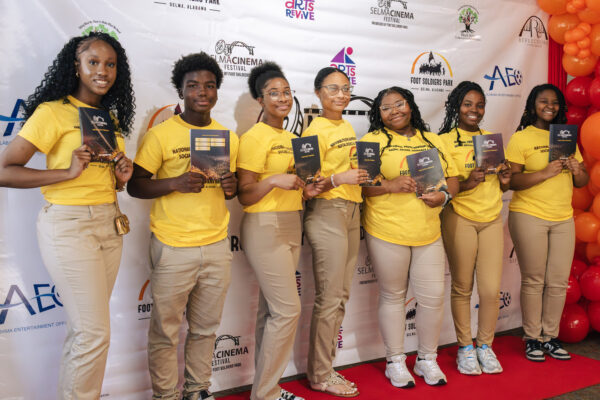
Beyond the screenings, the Selma Cinema Festival continued its commitment to youth engagement through a student video competition. We invited local students to create short videos reflecting on the Voting Rights Act, Selma’s history, and the importance of civic participation today. Their videos were featured as part of the as part of the festival, reinforcing Ms. Bland’s belief that the next generation must carry the movement forward. This year, 60 students from Selma High School attended the Alabama Shorts screenings, and Nathan Butterfield of Wallace Community College’s Teen Tech Center took home the Voting Rights Act video competition prize.
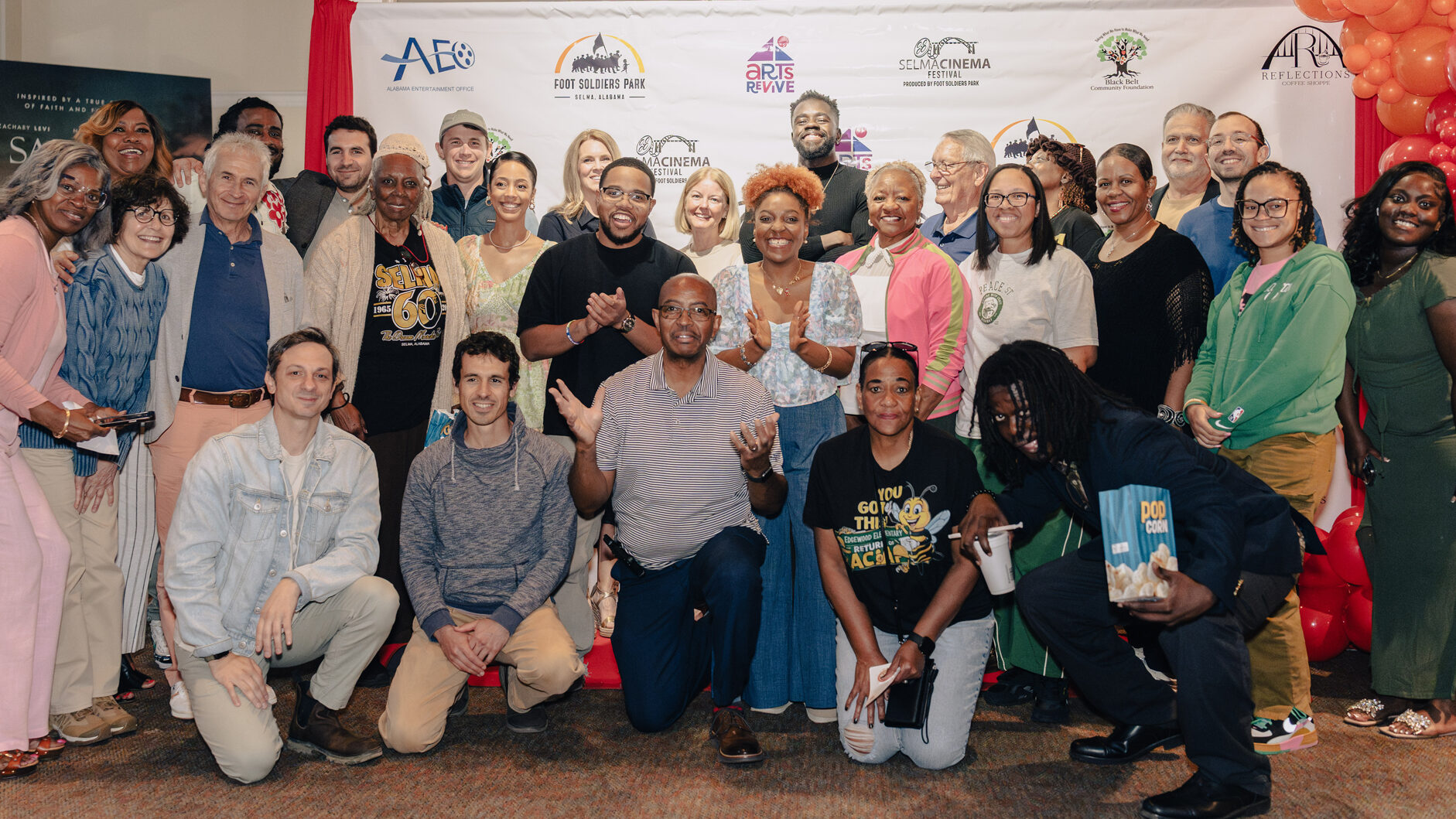
As the festival came to a close, what stood out most was not just the quality of the films, but the connections formed—between filmmakers and audiences, between students and history, and between Selma’s past and its future. The Selma Cinema Festival continues to grow as a space where storytelling becomes a bridge: connecting communities, fostering dialogue, and inspiring action.
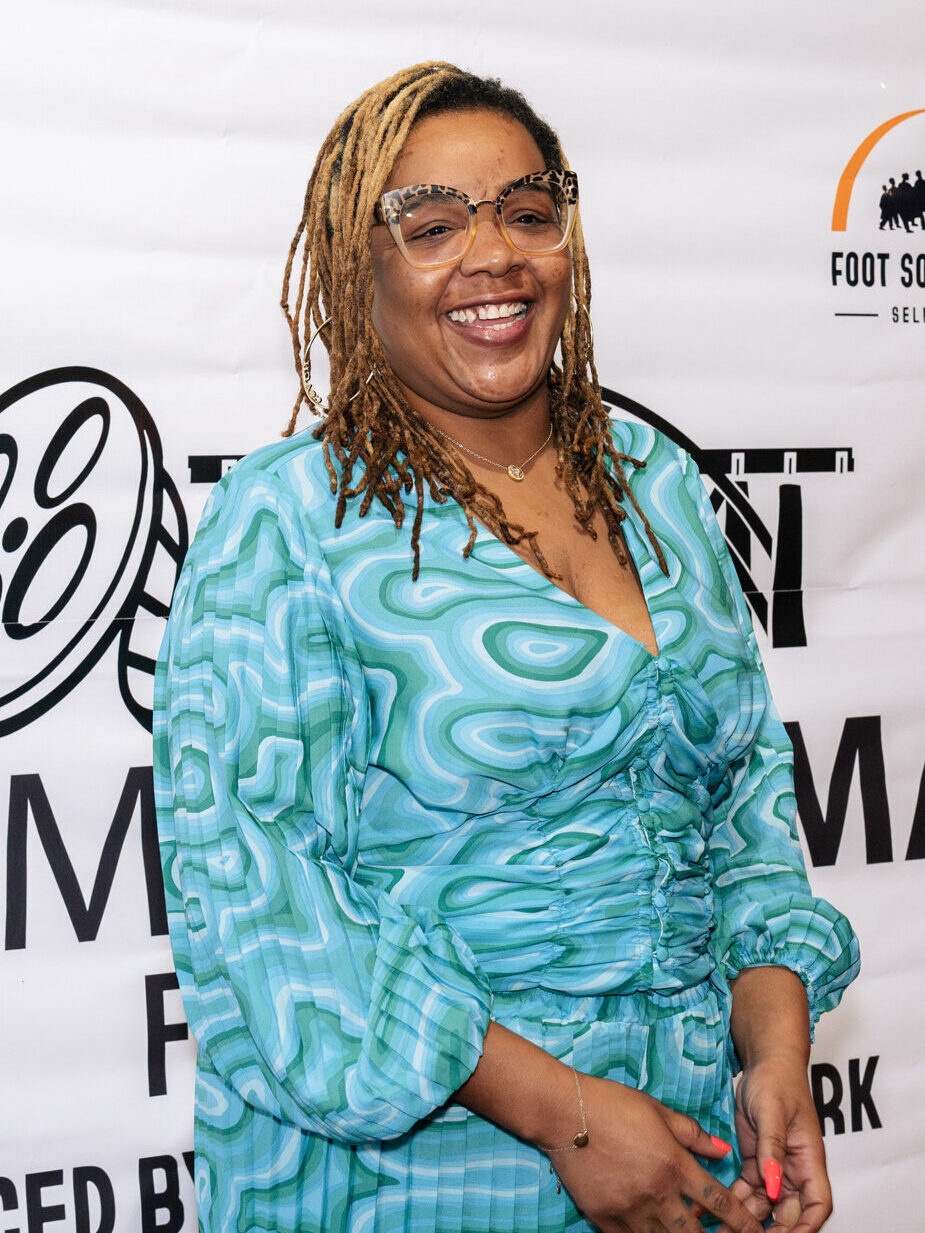
“I’m so pleased that attendance to the Cinema Festival is growing,” said Kimberly. “While Selma’s historical significance is key to bringing visitors and economic development to the city, our goal with the festival is to also bring new experiences, conversations and perspectives to our local community – to expand what’s possible here and potentially establish Selma as a cultural destination that people return to not just for the past, but for its present and future.”
— Kimberly Smitherman,
Founding Partner and CEO, Foot Soldiers Park
In many ways, this year’s festival was a continuation of Ms. Bland’s life’s work. Through film, conversation, and community, her vision lives on—not only in remembering history, but in shaping what comes next.
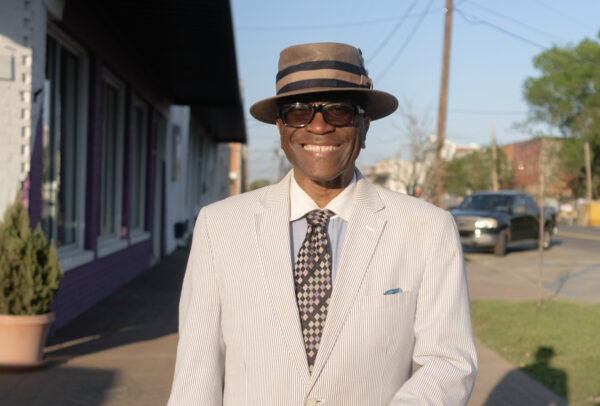
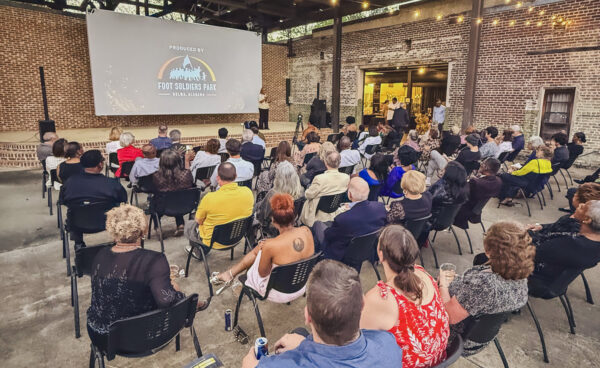

To view more photos from the festival click here.
Sign up and stay connected!
Sign up today and stay up to date on the latest news from our team and how you can get involved.